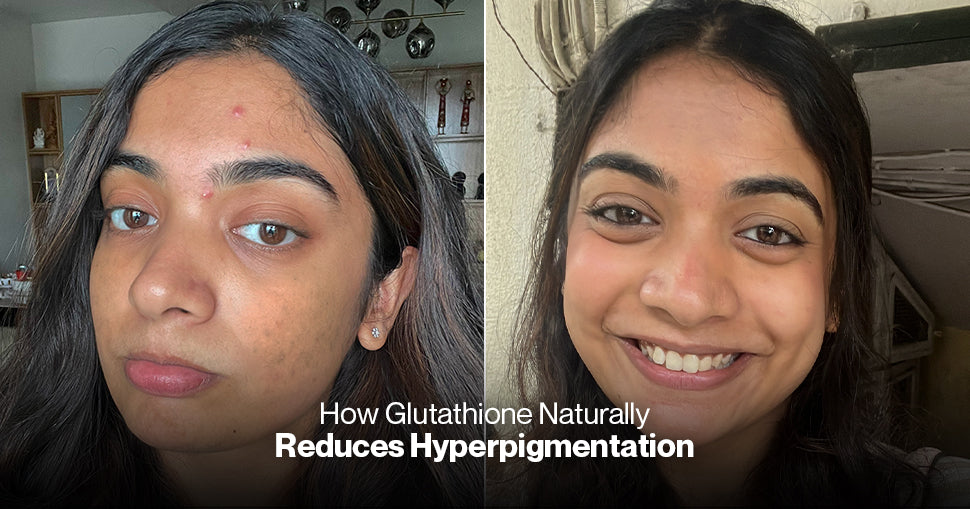
Important Considerations and Limitations Bioavailability Research Current scientific evidence regarding the bioavailability of dietary glutathione presents mixed findings: Some studies suggest that orally consumed glutathione may be broken down in the digestive system Other research indicates that certain food matrices may protect glutathione during digestion The relationship between dietary glutathione intake and tissue glutathione levels requires further research Dietary supplements however, such as Rhos Liposomal Glutathione, have demonstrated the ability to elevate bodily glutathione levels, reduce oxidative stress markers, and enhance immune cell function, in clinical trials

Depending on cellular state and stress cues, TP53 can promote ferroptosis by repressing SLC7A11 to limit cystine uptake and GSH synthesis, inducing spermidine/spermine N1-acetyltransferase 1 ( SAT1 ) to enhance ROS generation through polyamine catabolism, and upregulating glutaminase 2 ( GLS2 ) to increase -ketoglutarate production and mitochondrial ROS 154-156
Maternal plasma folate impacts differential DNA methylation in newborns
Our glutathione supplements are crafted with care, utilizing advanced technologies to provide optimal bioavailability
Post-transfusion recovery, metabolomics, and proteomics analyses were performed on these mice to validate findings from the J:DO cohort